Same-day garage door service in Elm Grove, WI 53122Mon–Sat 7am–7pm·(262) 000-0000

Quieter, Smoother Doors

Garage Door Roller Replacement in Elm Grove, WI

If your garage door rumbles, grinds or shudders on its way up, worn rollers are one of the most likely causes. Elm Grove Garage Door replaces cracked, flat-spotted and rusted rollers with quieter, longer-lasting options, checks the hinges and tracks they ride on, and leaves the door moving smoothly. It is one of the simplest repairs that makes a big difference, especially on doors attached to living spaces where every noise carries into the house.

Quote for roller replacement

Fast reply during business hours. No obligation.

No obligation. Price confirmed before any work starts.

  • Quieter OperationSealed-bearing nylon roller options
  • Full SetAll rollers replaced together
  • Hinges CheckedCracks and loose screws found
  • Tracks AlignedSmooth, even roller path
Roller Replacement in Elm Grove, WI

What Rollers Do

Small Wheels That Guide Every Foot of Travel

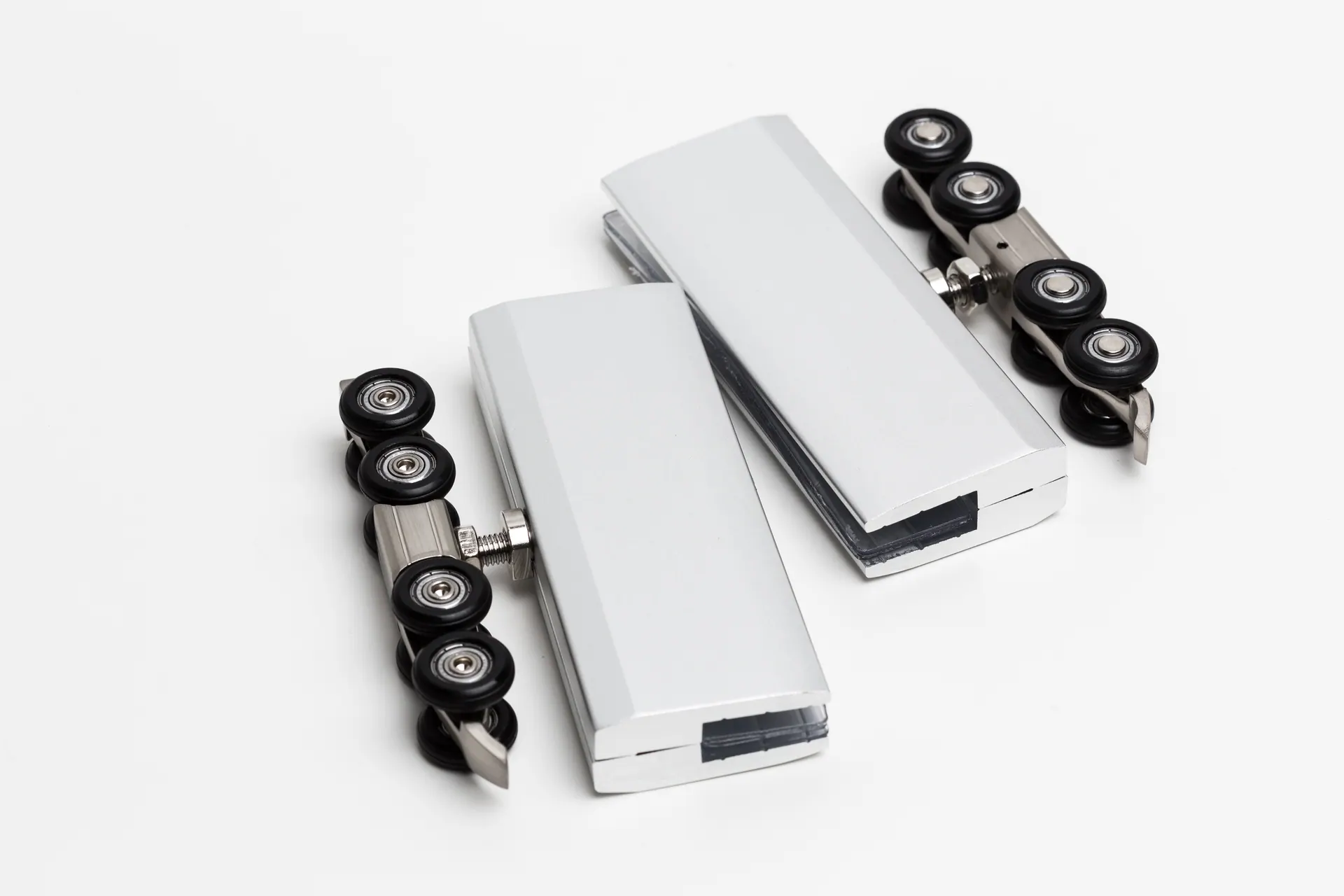
Each section of a sectional garage door has rollers on both sides that ride inside the steel tracks. A typical seven-foot door has four or five sections and ten or more rollers in all. The roller stems slide into the hinges between sections, into the top fixtures at the upper corners, and into the bottom brackets at the lowest corners. As the door opens, those wheels carry it up the vertical track, around the curve and back along the horizontal track toward the ceiling of the garage. Closing runs the same path in reverse.

Rollers do not lift the door. That is the job of the springs and cables. What rollers do is keep the door aligned, spread its weight along the tracks and let it move with very little friction. When they are in good shape, the door glides with a soft, steady sound. When they wear out, the door starts to vibrate, scrape and jerk, and that extra friction puts more strain on the opener, the hinges and the springs every time the door cycles, in every season. A worn roller is a small part with a large ripple effect.

Because rollers turn thousands of times a year, they are a normal wear item, much like the tires on a car. Most doors will need new rollers at least once during their life, and older doors may have gone through several sets. The good news is that roller replacement is a straightforward repair, and upgrading from basic steel or plastic rollers to quality nylon rollers is one of the most noticeable improvements you can make to an older Elm Grove door. Many homeowners are surprised how much quieter the garage becomes after a single visit.

  • Ride inside the side tracks
  • Stems fit into hinges and brackets
  • Keep sections aligned while moving
  • Spread door weight along tracks
  • Reduce friction on the opener
  • Wear out like tires on cars

Roller Types

Steel, Plastic or Nylon: What the Difference Means

Basic steel rollers with open ball bearings were standard on many doors for decades, and plenty of them still run on garages around Elm Grove. They are durable, but they are loud, and the exposed bearings collect dust, moisture and road grit. Once the bearings rust or dry out, the wheel stops spinning freely and starts sliding along the track instead, which grinds flat spots into the wheel and wears the inside of the track as well. That rumbling noise is often what prompts a call from an Elm Grove homeowner.

Plastic rollers with no bearings are common on entry-level doors and builder-grade installations. They are quiet when new, but the plastic wheel simply spins on its stem, so it wears quickly and can crack in very cold weather. Brittle plastic wheels sometimes split apart entirely, which can let a section shift in the track. If your door came with these, replacing them with a bearing-equipped roller is usually a good investment that pays back in quieter travel and longer life. Winter is hard on plastic, so cracked wheels often show up after a cold snap.

Nylon rollers with sealed ball bearings are what we recommend for most homes. The nylon tire runs quietly against the steel track, and the sealed bearing keeps moisture and debris out, so it needs very little maintenance. Rollers with more ball bearings inside, such as a thirteen-ball design rather than ten, tend to spin more smoothly under load. Stem length matters too: most hinges take a standard stem, while some heavier doors and top fixtures need a longer stem to reach the track correctly. We match the stem to each position on your door.

Warning signs

Signs Your Rollers Are Worn Out

01

Grinding or Rumbling Noise

A rough, grinding rumble as the door moves usually means the roller bearings are dry, rusted or failing. The wheels are no longer spinning freely and are scraping along the track instead. Lubrication may quiet it briefly, but worn bearings generally need new rollers to fix properly.

02

Rollers Wobble on Stems

Watch the rollers as the door moves. A wheel that tilts, wobbles or spins off-center has a worn bearing or bent stem. Wobbling rollers rub the sides of the track, wear unevenly, and can eventually pop out of the track when the door is under load.

03

Cracked or Chipped Wheels

Plastic and nylon roller wheels can crack, chip or split, especially in deep cold or after years of use. A broken wheel no longer guides the section properly and may let the door shift or bind. Cracked rollers should be replaced before they break apart completely.

04

Flat Spots on the Wheel

When a roller stops turning, it slides along the track and grinds a flat spot into the wheel. You will hear a rhythmic thump as the flat spot rolls over the track. Flat-spotted rollers also wear grooves into the track, so they are worth replacing promptly.

05

Door Shakes While Moving

A door that shudders, jerks or vibrates during travel often has worn rollers or loose hinges. That vibration loosens fasteners all over the door and strains the opener. If the door shakes noticeably, it is time for a roller and hardware inspection by a technician.

06

Roller Out of the Track

A roller that has popped out of the track is a serious problem. The door can twist, jam or fall. Do not try to force the roller back in while the door is under spring tension. Stop using the door and call for a technician to secure it.

Roller Replacement detail

Replacement Done Right

Section by Section, With the Bottom Left to Pros

Replacing rollers looks simple, but there is a right order and a few parts that demand caution. We lower the door, disconnect the opener and clamp the door so it cannot move. Rollers in the intermediate hinges come out one at a time by loosening the hinge, removing the old roller and seating the new one, then tightening the hinge back to the section. In many cases, a section of track needs to be opened slightly to slip the roller in and out cleanly. We work from one side to the other so the door stays aligned throughout.

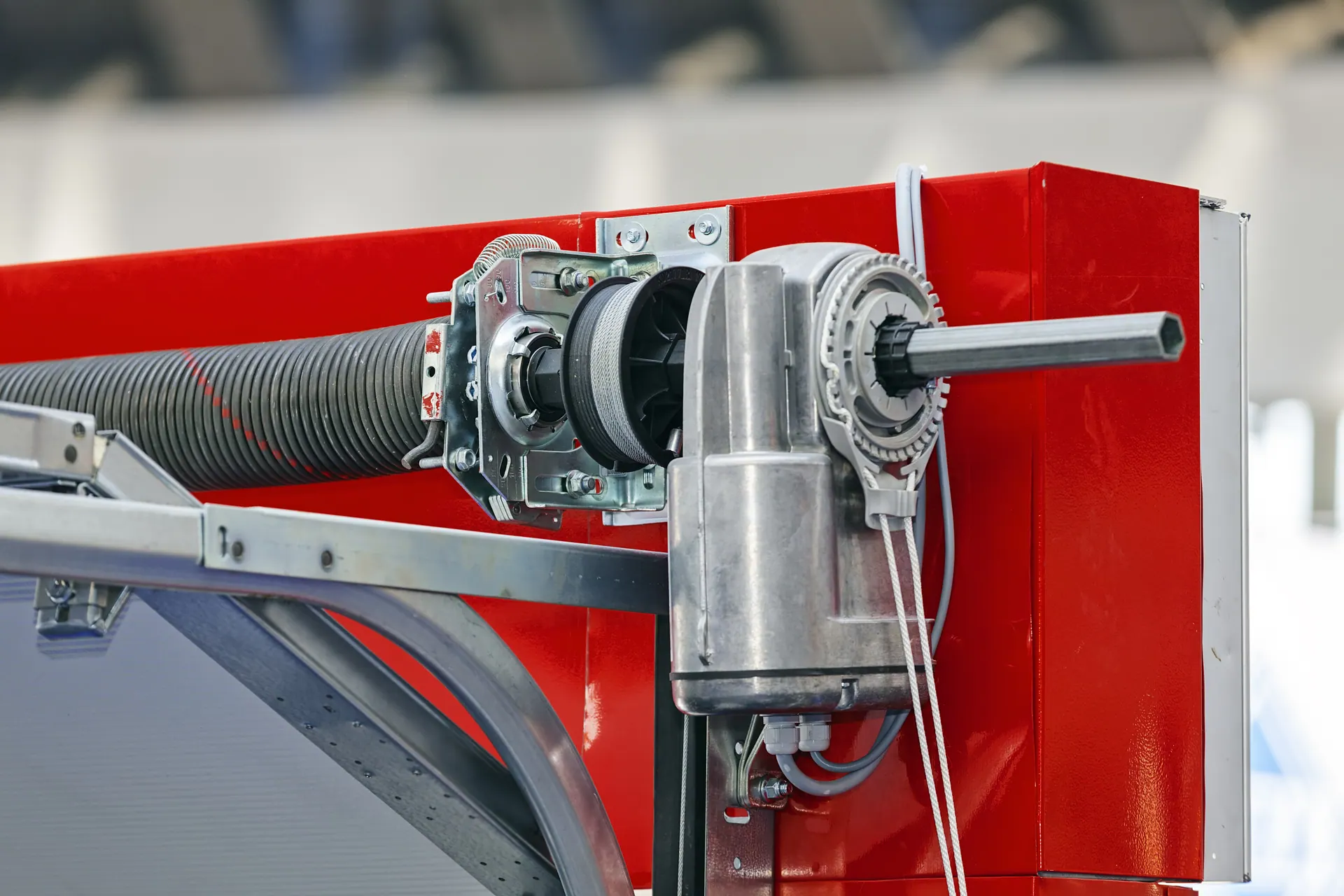
The bottom rollers are a different story. They sit in the bottom brackets, which are attached to the lift cables and carry the full force of the springs on a torsion door. Removing a bottom roller can require loosening that bracket, and doing so while the springs are wound can let it release violently. Our technicians unload the spring tension before touching the bottom brackets. This is the part of roller replacement that homeowners should never attempt, even when the other rollers seem easy enough. The top fixtures also need care, since they control how the top section meets the header.

With every roller swapped, we check that each one sits squarely in the track with consistent clearance from top to bottom. We tighten loose hinge screws, replace any cracked hinges, and adjust track brackets so the vertical tracks are plumb and parallel. A light lubricant goes on the roller bearings and hinge pivots, never inside the tracks. Then we reconnect the opener, run the door through several full cycles, and listen for any remaining noise before testing the photo eyes and auto-reverse. Finally, we clean up and take the old rollers away.

  • Clamp door and disconnect opener
  • Swap hinge rollers one at a time
  • Unload springs before bottom brackets
  • Replace cracked hinges and loose screws
  • Align and plumb the vertical tracks
  • Lubricate bearings, keep tracks dry

Hinges and Tracks

Getting the Whole Path Quiet and Straight

Rollers only work as well as the hinges and tracks around them. Hinges are numbered by their offset, with each section's hinge sized so the rollers sit at the right distance from the track as the door steps back toward the jamb. A hinge with the wrong number, or one cracked at the knuckle, can cock a roller sideways and cause binding. We check every hinge for cracks, wobble and stripped screw holes, and we reinforce stripped holes so the hinge holds firmly. On older Elm Grove doors, a few cracked hinges are common.

Tracks matter just as much. A vertical track that leans in or out, a bent section where a car bumper caught it, or loose lag screws in the track brackets will all make even brand-new rollers bang and scrape. We check the tracks for plumb, measure the gap between them, and straighten minor bends. If a track is badly kinked or rusted through, we will recommend replacing that section, because forcing a door to run on a damaged track will quickly ruin the new rollers and keep the noise coming back.

Keeping the tracks clean is one of the easiest things a homeowner can do. Wipe them out with a dry rag a few times a year to remove leaves, grit and cobwebs, and avoid spraying grease inside, which only turns dust into paste. Lubricate the roller bearings and hinge pivots with a garage door lubricant instead. On a door with sealed nylon rollers, that light maintenance keeps it running smoothly and quietly for many years, even through Wisconsin winters. If anything starts to sound different, a quick look early is always cheaper than a repair later.

Our process

How we handle roller replacement

  1. 1

    Listen and Look

    We start by running the door and listening. Noise, vibration and the way each roller turns tell us a lot. We check every roller, hinge and track bracket, confirm the door's balance by hand, and look for any damage the worn rollers may have caused.

  2. 2

    Recommend Rollers

    We explain which roller type fits your door and how you use it, from durable steel to quiet sealed-bearing nylon. You get the price before any work starts, including any cracked hinges or track adjustments we found that should be handled at the same time.

  3. 3

    Replace Safely

    With the door clamped and the opener disconnected, we replace the intermediate rollers one at a time. For the bottom rollers, we unload the spring tension before touching the bottom brackets. Every new roller is seated squarely with consistent clearance in the track.

  4. 4

    Align and Test

    We tighten hinges, adjust tracks for plumb, lubricate bearings and hinge pivots, and run the door through full cycles. Then we test the photo eyes and auto-reverse, clean up, and haul away the old rollers so you can enjoy a quieter door.

Pricing, explained

What affects the cost

  1. 01

    Roller Type

    Basic steel and plastic rollers cost less than sealed-bearing nylon rollers. The quieter nylon options last longer and need less maintenance, which many homeowners find worthwhile, especially for garages next to bedrooms, family rooms or home offices.

  2. 02

    Number of Rollers

    Wider and taller doors have more sections and more rollers. A standard single door may have ten rollers, while a tall double door can have more. Replacing the full set at once is usually the best value and gives even, quiet operation.

  3. 03

    Bottom Bracket Work

    Bottom rollers sit in brackets connected to the lift cables. Replacing them safely means unloading the springs, which adds labor. Rusted bottom brackets may also need replacement at the same time, especially in garages that see salt and standing water.

  4. 04

    Hinges and Track Repairs

    Cracked hinges, stripped screw holes or bent tracks add parts and time to a roller job. Fixing them together makes sense, since new rollers running on damaged hinges or a crooked track will wear out quickly and keep making noise.

Autumn scenery around Elm Grove, Wisconsin

Local to Elm Grove

Quieter Doors for Elm Grove's Attached Garages

Many Elm Grove homes have attached garages tucked beside or beneath living space, from split-levels with a bedroom over the garage to ranches where the garage shares a wall with the kitchen. In those homes, a rumbling door is heard all over the house, especially early in the morning or late at night. Upgrading to sealed-bearing nylon rollers is one of the most effective ways to quiet things down. The village's leafy setting adds wear too. Each fall, leaves, seed pods and grit from the mature trees blow into the bottom of the tracks, and damp shade keeps open steel bearings from drying out. Winter salt tracked in on tires attacks the lowest rollers first. A quick wipe of the tracks after leaf season and a roller check during your fall tune-up keeps doors running quietly year round.

(262) 000-0000

FAQ

Roller Replacement questions

Have a question we didn't cover? Call us and ask. Honest answers, no pressure.

(262) 000-0000
How often should garage door rollers be replaced?

It depends on the roller type and how often the door is used. Basic plastic and steel rollers may need replacing after several years, while quality sealed-bearing nylon rollers typically last much longer. Rather than following a calendar, watch for noise, wobble, cracks and flat spots. Any of those signs means the rollers are ready to be replaced. We check rollers during every tune-up.

Are nylon rollers really quieter than steel?

Yes, in most cases noticeably so. A nylon wheel running against a steel track makes far less noise than steel on steel, and sealed ball bearings keep the wheel turning smoothly without rattling. Homeowners with bedrooms or living spaces next to the garage often notice the difference the first time the door runs after the upgrade. It is often the first thing they mention when we finish.

Can I replace garage door rollers myself?

Some homeowners can manage the intermediate hinge rollers, but the bottom rollers are a different matter. They sit in brackets connected to the lift cables and spring tension, and loosening those brackets while the springs are wound can cause serious injury. Because of that risk, we recommend having a trained technician handle the full roller replacement in one careful visit.

Should I replace all the rollers or only the bad ones?

Replacing the full set is usually the better choice. Rollers wear at similar rates, so if a few have failed, the others are likely close behind. A full set gives consistent, quiet travel and saves you a return visit. It also lets us inspect every hinge and track bracket while the rollers are out, which makes it easy to catch cracked hinges and loose screws early.

Will lubricating the rollers fix the noise?

Lubrication helps if the rollers have bearings that are simply dry. A garage door lubricant on the bearings and hinge pivots can quiet a door noticeably. If the noise comes back quickly, or the rollers are wobbling, cracked or flat-spotted, lubrication will not fix it and new rollers are needed. Avoid putting grease inside the tracks, since it collects grit.

Can worn rollers damage other parts of the door?

They can. Worn rollers create friction and vibration that strain the opener, loosen hinge and track fasteners and wear grooves into the tracks. A roller that pops out of the track can let the door twist or jam. Replacing rollers when they first show wear protects the rest of the door and helps the opener last longer, which is good news for your budget too.

Elm Grove, WI

Ready for a Quieter Garage Door?

If your door rumbles, shakes or grinds, new rollers may be the fix. We will check the hinges and tracks, quote the work before we start and leave your door running smoothly.

Elm Grove · Brookfield · Wauwatosa · New Berlin

Garage door trouble? We're close by.

Call now · (262) 000-0000