Same-day garage door service in Elm Grove, WI 53122Mon–Sat 7am–7pm·(262) 000-0000

Lift Cable Repair

Garage Door Cable Replacement in Elm Grove, WI

Lift cables connect the springs to the bottom of your garage door, and when one frays, slips or snaps, the door can hang crooked, jam in the opening or drop on one side. Elm Grove Garage Door replaces worn and broken cables in matched pairs, reseats them on the drums, inspects the bottom brackets and rebalances the door. We carry common cable lengths on the truck, and same-day service is available when you call early.

Quote for cable replacement

Fast reply during business hours. No obligation.

No obligation. Price confirmed before any work starts.

  • Matched PairsBoth cables replaced together
  • Drums CheckedGrooves and set screws inspected
  • Brackets InspectedBottom corners checked for rust
  • Level DoorEven tension on both sides
Cable Replacement in Elm Grove, WI

What Cables Do

Thin Steel Lines Carrying the Weight of Your Door

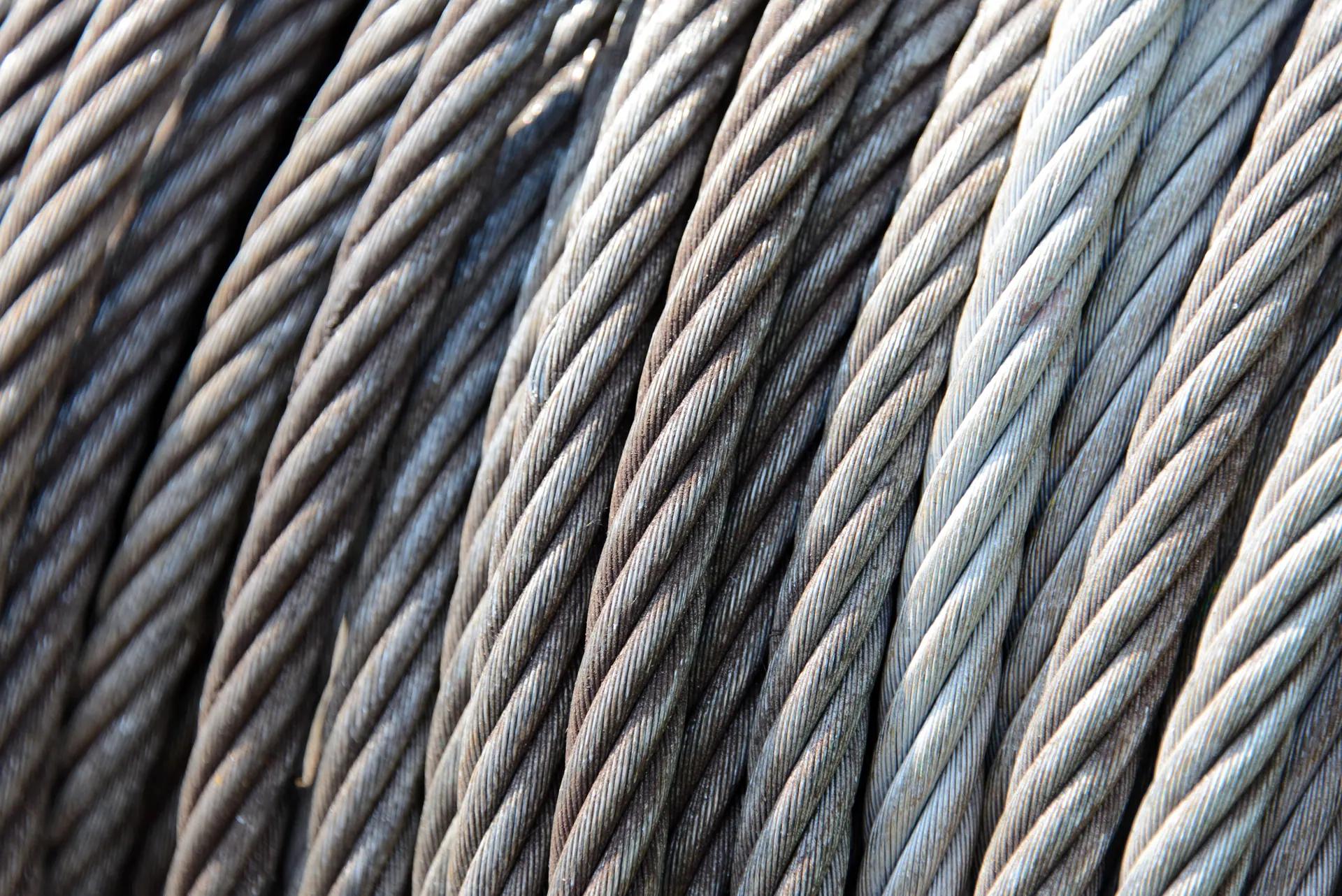
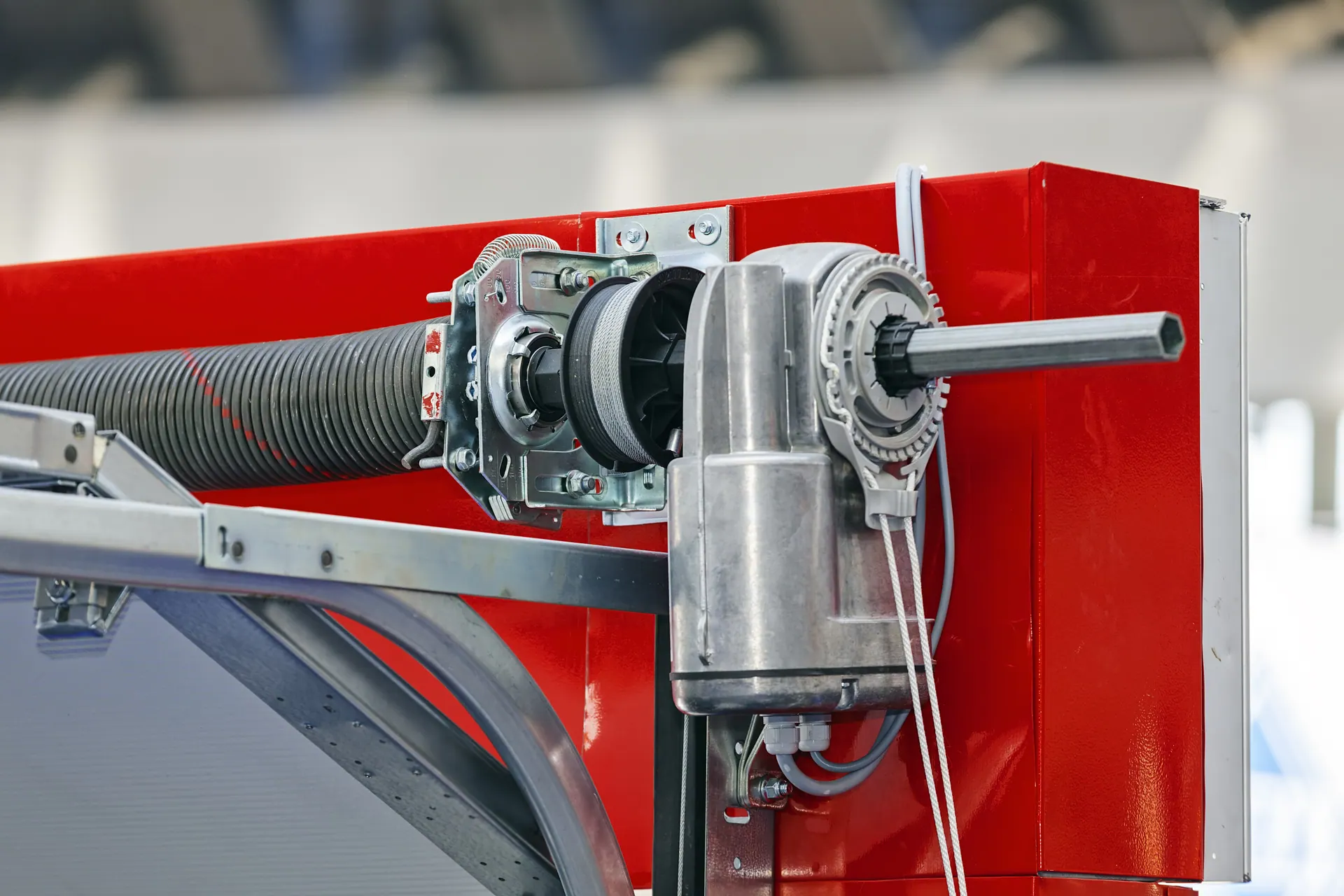
Garage door cables are braided galvanized steel, usually about an eighth of an inch thick, and they do a surprising amount of work. On a torsion spring system, each cable runs from a bottom bracket on the lowest corner of the door, up along the side of the opening, and wraps onto a grooved cable drum at the end of the spring shaft. As the springs unwind, the drums turn and the cables lift the door evenly from both bottom corners at the same time. Closing reverses the process, with the cables paying out as the door lowers.

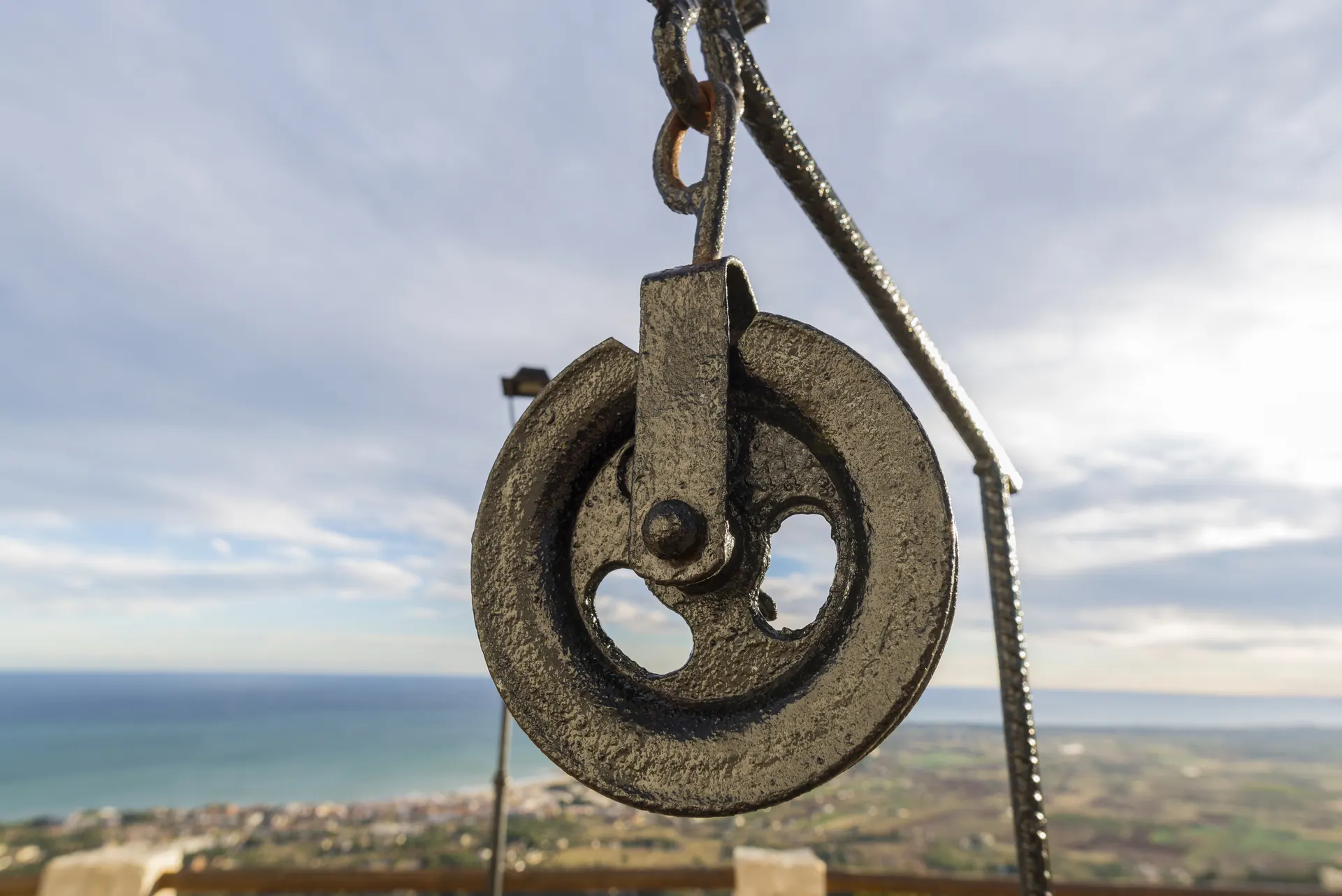
On an extension spring system, the cables take a different route. They run from the bottom brackets up to pulleys attached to the extension springs and then back to a fixed point near the track hangers. As the springs contract, the pulleys pull the cables and lift the door. These doors should also have a separate safety containment cable threaded through the center of each spring, which is a different part from the lift cable and should never be removed or skipped. Plenty of older Elm Grove garages still run this setup, often on lighter single doors.

Either way, the cables are the link between the stored energy in the springs and the weight of the door. Both cables must carry equal tension for the door to rise level. When one side stretches, frays or slips, the door tilts, rollers bind in the tracks, and the whole system starts fighting itself. That is why a cable problem rarely stays small for long, and why we look at the full lift system on every Elm Grove cable call rather than only the cable that failed. Fixing one link while ignoring the rest just moves the problem.

  • Run from bottom brackets to drums
  • Wrap into grooves on torsion drums
  • Thread over pulleys on extension systems
  • Carry equal tension on both sides
  • Separate from spring safety containment cables
  • Sized by door height and weight

Why Cables Fail

Rust, Slack and Wear at the Bottom Corners

Most cable failures start at the bottom of the door, right where the cable loops onto the bottom bracket. That corner sits just above the floor, where melting snow, road salt and puddled water collect all winter. Over time, the galvanized coating wears off, the strands rust, and individual wires start to break. A cable that looks fine at eye level can be badly frayed down near the floor, which is why we always inspect the lowest few inches closely during any visit to an Elm Grove garage, regardless of why we were called.

Slack is the other common culprit. A cable only stays in its drum grooves while it is under tension. If the door comes down on an object, such as a trash bin, a bike or a mound of packed snow, one side stops while the drum keeps turning, and the cable loosens and can jump off the drum. A broken spring causes the same thing. When the door is raised again, the loose cable may wrap unevenly or bunch up, leaving the door hanging crooked in the opening and wedged against the tracks.

Normal wear plays a part as well. Cables rub on drums, pulleys and the edge of the bottom bracket every time the door moves, and a worn pulley or a drum with a damaged groove speeds that wear considerably. Doors that have been out of balance for a long time also put extra strain on the cables. Most cables last for many years, but rust and repeated slack events can shorten that dramatically, especially on garages that face harsh Wisconsin winters. A quick visual check each season costs nothing and can catch a fraying cable months before it snaps.


Warning signs

Signs of a Cable Problem on Your Door

01

Door Hangs Crooked

If one side of the door sits higher than the other, or the bottom edge is no longer parallel with the floor, a cable has likely slipped, stretched or snapped. The door can jam in the tracks if it keeps running. Stop using it and call for service.

02

Frayed Strands Near the Floor

Look at the cables just above the bottom brackets. Broken wire strands sticking out, a flattened section or a cable that looks thinner than its partner are all warning signs. Frayed cables can snap without warning, often on a cold morning when the load is greatest.

03

Cable Off the Drum

Look up at the drums at each end of the spring shaft. A cable should sit neatly in the grooves. If it has jumped out, is wrapped over itself or hangs loose, the door is no longer being lifted evenly and should not be operated until repaired.

04

Loose Cable Dangling

A cable hanging slack beside the door means it has snapped or come free from the drum or bottom bracket. The other cable is now carrying the full load on one side. This is a high-tension situation that only a trained technician should handle.

05

Rusty Bottom Brackets

Orange rust or flaking metal on the brackets at the bottom corners suggests the cables nearby are corroding too. Salt and standing water attack this area first. Have it inspected before the cable or bracket fails, and never loosen those bolts yourself.

06

Door Jerks When Opening

A door that lurches, shudders or hesitates as it starts to rise may have a cable winding unevenly on its drum or catching on a worn pulley. The uneven pull stresses rollers and hinges. Catching it early usually means a simpler repair with fewer replacement parts.

Cable Replacement detail

How We Replace Them

Unloaded, Replaced and Tensioned Evenly

Cable replacement is spring work, because the cables cannot be changed safely while the springs hold tension. On a torsion door, we lower the door fully, clamp it in place, and unwind the springs using proper winding bars until the cables are slack. On an extension door, we raise and secure the door so the springs relax. Only then do we remove the old cables. Attempting this without unloading the springs is one of the most dangerous mistakes a homeowner can make with a garage door, and it is never worth the risk.

New cables are cut or selected for the door's height and the spring system. We always replace them in pairs, because both cables have seen the same weather and the same number of cycles. Each cable is fastened to its bottom bracket, routed up the side of the door, and seated in the drum groove with the correct number of wraps. Getting the starting position of each cable on its drum exactly right is what makes the door rise level instead of tilting to one side. Small differences here show up as a visible tilt at the floor.

With the cables in place, we rewind or reset the springs, then test the door by hand. Both bottom corners should lift together and the door should hold its position about halfway open. We adjust the tension on each drum until it does. Then we check the rollers and tracks for damage from the crooked travel, lubricate the moving parts, reconnect the opener, and test the photo eyes and auto-reverse before we wrap up and clean the work area. You get a level door that closes evenly against the floor, sealing out drafts and water along its full width.

  • Clamp the door and unload springs
  • Inspect drums, pulleys and bottom brackets
  • Install new cables in matched pairs
  • Seat cables evenly in drum grooves
  • Rewind springs and balance by hand
  • Test opener, photo eyes, auto-reverse

Related Parts

Drums, Brackets and Pulleys Get Checked Too

A cable problem often has a partner. Cable drums can crack, especially older cast drums, and a damaged groove will chew through a new cable in short order. The set screws that lock a drum to the shaft can loosen, allowing the drum to slip so one side of the door drops. We inspect both drums whenever we replace cables, and we replace any drum with a cracked flange, worn grooves or stripped set screws so the new cables have a clean, even path. A new cable on an old, damaged drum is a repeat call waiting to happen.

The bottom brackets deserve particular attention. These steel brackets hold the cable to the lowest corner of the door, and on a torsion system they carry the full force of the springs. Never loosen the bolts on a bottom bracket while the springs are wound, because the bracket can release suddenly with enough force to cause serious injury. Rust is common on brackets in garages that collect salty slush, and a badly corroded bracket should be replaced at the same time as the cables, while the springs are already unloaded.

On extension spring doors, the pulleys are the parts to watch. A pulley with a worn bearing wobbles and wears the cable unevenly, and a cracked pulley can let the cable jump free entirely. We check each pulley for smooth rotation and replace worn ones along with the cables. We also confirm that both extension springs have safety containment cables in place. If they are missing, we add them. Those small extra checks help the new cables last many years and keep your door running level and quiet for Elm Grove winters to come.

Our process

How we handle cable replacement

  1. 1

    Assess Safely

    Tell us how the door is sitting and what you see at the drums and bottom corners. A photo helps. We will advise whether to leave the door open or closed and remind you not to operate it or touch the cables until we arrive.

  2. 2

    Stabilize and Inspect

    On arrival, we secure the door so it cannot shift, then inspect both cables, drums, pulleys, bottom brackets, rollers and tracks. Crooked travel often causes damage beyond the cable, so we look at the whole lift system and explain what we found.

  3. 3

    Quote and Replace

    We give you the price before any work begins. With your approval, we unload the springs, replace both cables, swap any damaged drums, pulleys or brackets, and seat the new cables evenly with the correct number of wraps on each drum.

  4. 4

    Rebalance and Test

    We reset spring tension, balance the door by hand so it rises level, and adjust the opener settings. Then we test the photo eyes and auto-reverse, lubricate the moving parts, clean up and haul away the old cables and hardware.

Pricing, explained

What affects the cost

  1. 01

    Spring System Type

    Torsion doors need the springs unwound and rewound to replace cables, while extension doors involve pulleys and containment cables. The setup on your door determines which parts are involved and how much labor the cable replacement takes.

  2. 02

    Door Height and Weight

    Taller doors need longer cables, and heavier doors need cables and drums rated for more load. A standard seven-foot single door is simpler than an eight-foot double door with an insulated or wood overlay, which may need heavier components.

  3. 03

    Drums and Brackets

    If drums are cracked, grooves are worn, or bottom brackets are rusted, those parts are best replaced along with the cables. Doing it in one visit means the springs only need to be unloaded once, which keeps total cost down.

  4. 04

    Damage From Crooked Travel

    A door that ran crooked after a cable failure may have bent tracks, damaged rollers or cracked hinges. Repairing that secondary damage adds parts and time, which is why stopping use of the door right away is always worthwhile.

Autumn scenery around Elm Grove, Wisconsin

Local to Elm Grove

Salt, Slush and Elm Grove Garage Floors

In Elm Grove, the bottom few inches of a garage door take a beating every winter. Cars come home from Bluemound Road, Watertown Plank Road and I-94 coated in salty slush, and that slush melts onto the garage floor right where the cables meet the bottom brackets. Many older garages in the village also have slabs that have settled over the decades, so water pools at the door corners instead of draining away. Add damp, shaded garages under mature oaks and maples, and you have ideal conditions for rusty cables. Fall brings its own risk: leaves and sticks blown against the door can block it from closing fully, creating slack that knocks a cable off its drum. Sweeping out the threshold and glancing at the cable ends a few times each winter helps catch trouble early.

(262) 000-0000

FAQ

Cable Replacement questions

Have a question we didn't cover? Call us and ask. Honest answers, no pressure.

(262) 000-0000
Can I put a cable back on the drum myself?

Please do not. Even a cable that has only slipped off the drum is part of a system under heavy spring tension. Rewrapping it correctly usually requires unloading the springs, and the bottom bracket attached to that cable can release violently if disturbed. This is a job for a trained technician with proper winding bars and clamps, and the experience to do it in the right order.

Why replace both cables if only one broke?

Both cables were installed at the same time, have run the same number of cycles and have been exposed to the same salt and moisture. If one has failed, the other is usually close behind. Replacing them as a pair keeps the door level and balanced, and saves you from a second visit to unload the springs again soon after.

What causes a cable to come off the drum?

The most common causes are slack and damage. If the door closes on an object or packed snow, one side stops while the drum keeps turning, creating slack. A broken spring can do the same. Worn drum grooves, a loose drum set screw or an out-of-balance door can also let the cable slip out of position. Finding the cause matters, or the new cable can slip the same way.

Is it safe to open the door with a loose cable?

No. With one cable loose or broken, the door is lifted unevenly from one side, which can twist it in the tracks, bend rollers and crack sections. The door can also drop suddenly. Leave it where it is, unplug the opener and keep people and cars away until we can secure and repair it. We will tell you over the phone what is safe.

How long do garage door cables last?

In a dry, well-maintained garage, cables often last for many years. In garages that see a lot of salt, standing water and damp conditions, the lower ends can rust much sooner. Slack events, like closing on an object, also shorten cable life. A yearly inspection of the cable ends and brackets is a sensible habit for any Elm Grove homeowner.

Do you check the rest of the door while you are there?

Yes. A cable failure often affects other parts, so we inspect the drums, pulleys, bottom brackets, rollers, hinges and tracks. We also balance the door and test the opener's safety features. If we see other worn parts, we explain them and quote them separately, so you can decide what to do now and what can wait. Nothing extra is done without your approval.

Elm Grove, WI

Crooked Door or Snapped Cable?

Stop using the door and give us a call. We will help you keep it safe, replace the cables in matched pairs, check the drums and brackets, and quote the work before we start.

Elm Grove · Brookfield · Wauwatosa · New Berlin

Garage door trouble? We're close by.

Call now · (262) 000-0000