Springs do the heavy lifting on every garage door, and when one breaks, the door becomes too heavy to open safely. Elm Grove Garage Door replaces broken torsion and extension springs with springs measured and matched to your door's actual weight, then balances the door and tests the safety features. Same-day service is available when you call early, and we carry common spring sizes on the truck so most replacements happen in one visit.
Most people assume the opener lifts the garage door, but the opener only guides it. The real work is done by springs that store energy as the door closes and release it as the door opens. A properly sized spring set offsets nearly the entire weight of the door, which is why a balanced door can be lifted by hand with modest effort. A typical double-wide insulated steel door can weigh well over a hundred pounds, and a wood carriage-style door can weigh much more than that. Lose the springs, and all of that weight lands on the opener.
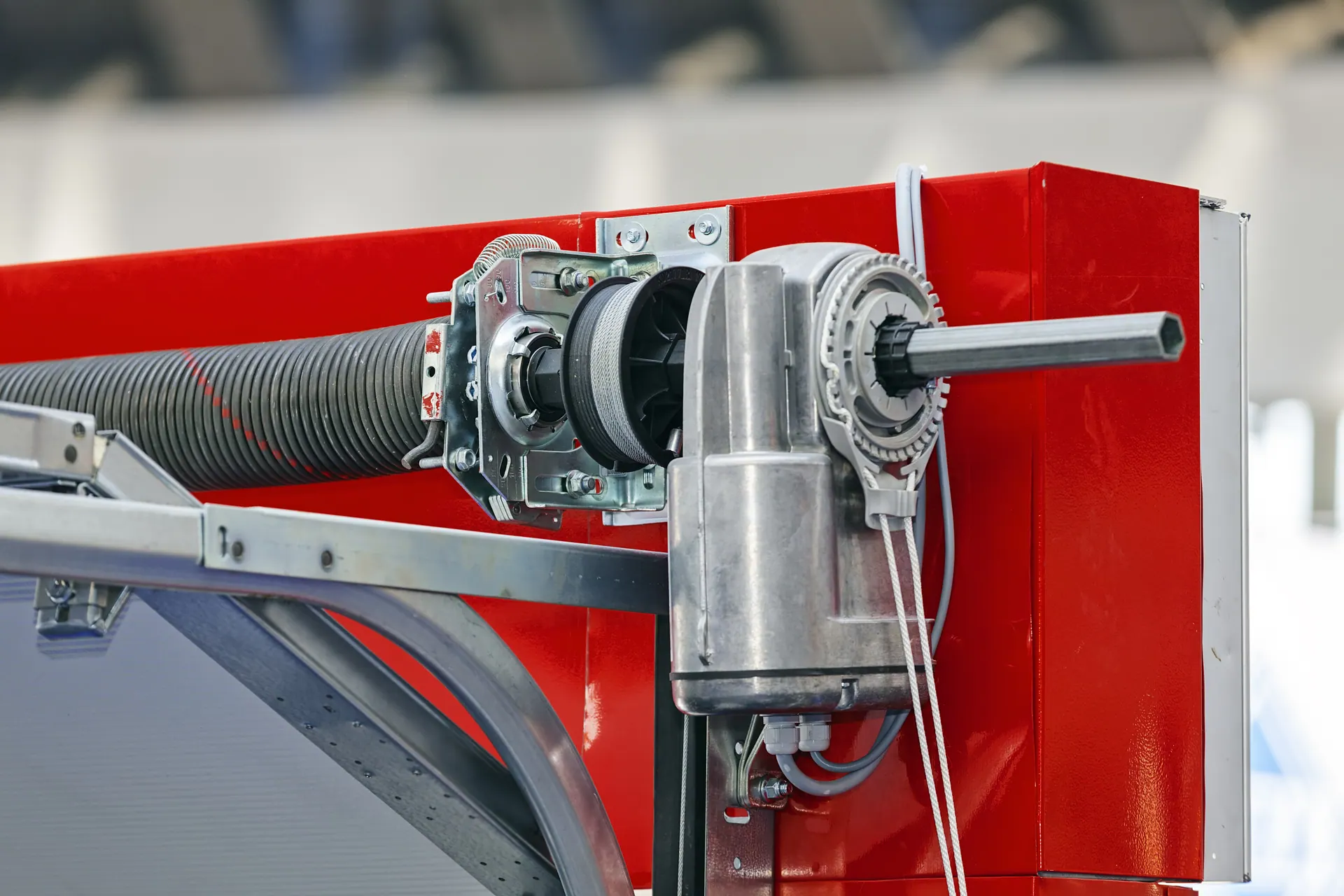
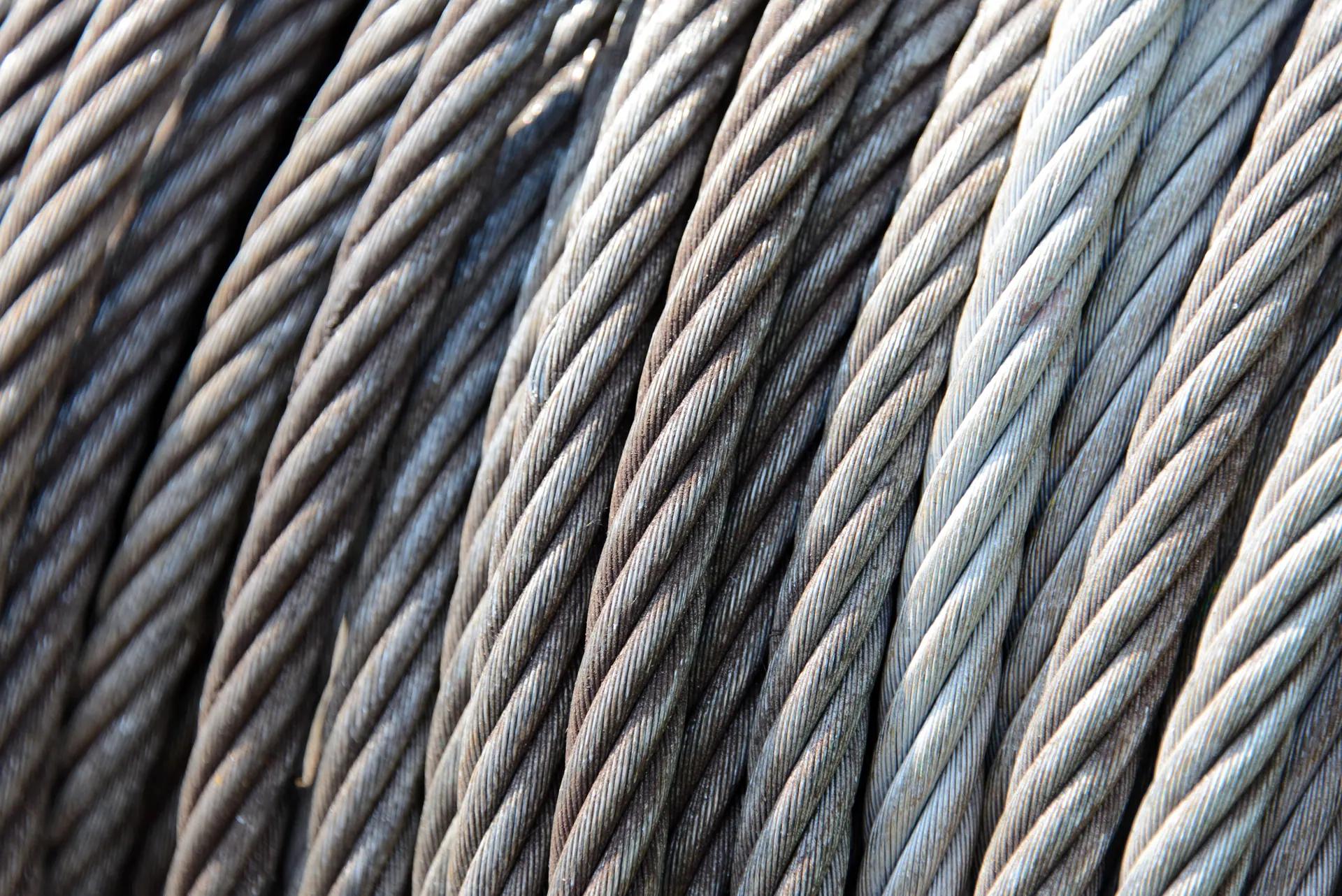
On a torsion system, one or two springs sit on a steel shaft above the door opening. When the door closes, the cables unwind from drums at each end of the shaft, turning it and winding the springs tighter. When the door opens, the springs unwind and turn the shaft, which wraps the cables back onto the drums and lifts the door. The tension is set by winding the springs a specific number of turns, roughly one turn per foot of door height plus a small allowance. On a standard seven-foot door, that works out to around seven and a half turns.
Because a spring is always under tension while the door is closed, it holds a great deal of stored energy at all times. That is exactly why spring work is dangerous without proper training and tools. A spring that releases unexpectedly can spin a winding bar or screwdriver with enough force to break bones, and a loosened set screw at the wrong moment can let the whole shaft spin free. Our technicians use solid winding bars, clamp the door in place and follow the same careful procedure on every job.
Torsion springs on a shaft overhead
Extension springs along the side tracks
Tension set by wind or stretch
Sized by wire, diameter and length
Rated by expected lifting cycles
Balanced so the opener barely works
Torsion vs Extension
Two Spring Systems, Two Different Repairs
Torsion springs are the most common setup on newer and heavier doors in Elm Grove. They mount on the shaft above the opening, held by a center bearing plate and end bearing brackets on each side. When a torsion spring breaks, you will usually see a gap of an inch or two in the coils, and the door will feel extremely heavy. Torsion systems give smooth, controlled motion and keep the stored energy contained on the shaft, which is one reason they are preferred for heavy doors and for the larger two- and three-car openings common here.
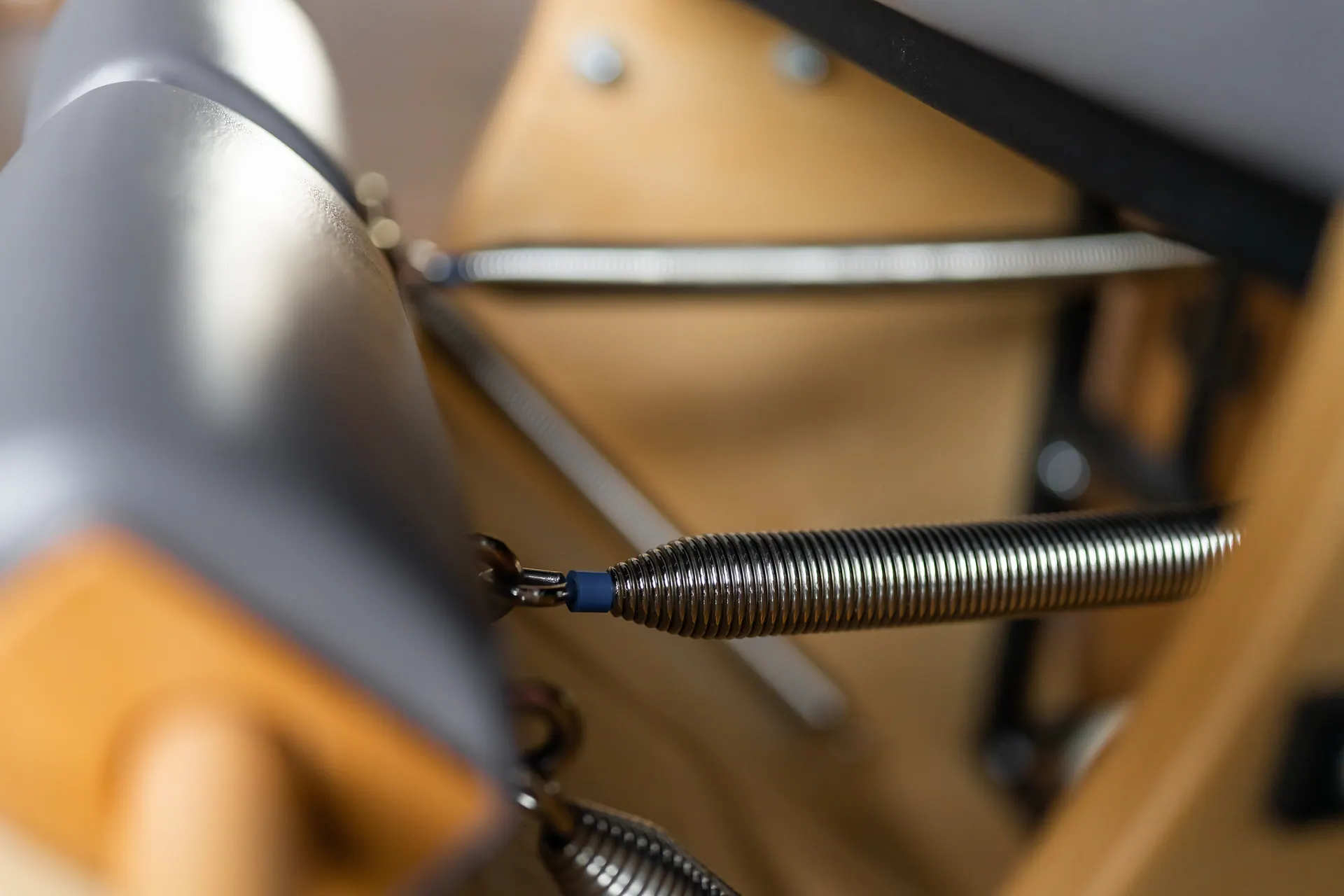
Extension springs are long springs that run parallel to the horizontal tracks on each side of the door. They stretch as the door closes and contract as it opens, working through a set of pulleys and cables. You still find them on many older single-car and lighter doors around the village. Because an extension spring that breaks can whip across the garage, each one should have a safety containment cable running through its center. If yours does not, we install them as part of the replacement, at no extra fuss to you.
Some homeowners ask whether to convert an older extension spring door to a torsion system. It can be a worthwhile upgrade on a heavier door, especially one that has been retrofitted with insulation or a new overlay, because torsion springs give smoother travel and better balance. It does require enough headroom above the door for the shaft and a solid header to mount the center bracket. We look at your garage's framing and clearance before recommending a conversion, and we explain the trade-offs clearly. For a typical Elm Grove ranch with a single detached garage, the original system is often perfectly fine.
Warning signs
Signs of a Broken or Failing Spring
01
A Loud Bang Upstairs
Torsion springs often break with a sharp bang that sounds like a gunshot or a heavy object falling. It frequently happens when nobody is touching the door, because the spring is under tension even at rest. If you hear it, go look at the springs above the door.
02
Gap in the Spring Coils
A broken torsion spring usually shows a clear gap of an inch or two where the coil has separated. The two pieces may sit loosely on the shaft. With extension springs, you may see a spring hanging by its containment cable or stretched out of shape.
03
Door Too Heavy to Lift
With the opener disconnected, a door with healthy springs lifts with moderate effort. A door with a broken spring feels like a dead weight. Do not keep trying to lift it, and do not let the opener struggle with it. Call for a replacement instead.
04
Opener Strains or Quits
Many openers lift a few inches and then stop or reverse when a spring breaks, because the force sensor detects the extra weight. Others hum without moving. Either way, continued attempts can strip the drive gear or damage the trolley, so stop pressing the button.
05
Door Slams Shut Fast
Springs slow a door's descent as well as helping it rise. A door that drops quickly or lands hard when closing has lost spring tension. This is dangerous for anyone underneath and puts heavy stress on the bottom section, hinges and the opener mechanism.
06
Visible Rust or Stretching
Springs coated in rust, or extension springs whose coils no longer close tightly when the door is open, are wearing out. Rust adds friction between coils and speeds up fatigue. A spring in that condition is a good candidate for replacement before it breaks.
Our Replacement Process
Measured, Matched, and Properly Wound
Springs are not one size fits all. Each torsion spring is defined by its wire thickness, inside diameter, overall length and wind direction, and those dimensions together decide how much lift it gives per turn. We measure the old springs carefully, then check the door's weight and height to confirm the original springs were correct in the first place. It is surprisingly common to find a door wearing springs that were mismatched years ago, which causes poor balance and short spring life. Getting the sizing right on an Elm Grove door the first time is what makes the new springs last.
With the right springs selected, we secure the door so it cannot move, release any remaining tension safely, and remove the broken springs. We inspect the shaft, the center bearing, the end bearings and the cable drums while everything is unloaded, since this is the best time to replace a worn bearing or a cracked drum. The new springs go on, the cables are seated evenly in the drum grooves, and the springs are wound to the correct number of turns, with the set screws tightened firmly to the shaft. Every step happens with the door clamped so it cannot move unexpectedly.
Once the springs are set, we test the door by hand. A properly balanced door should rise smoothly and hold its position about halfway up without drifting. We fine-tune the tension in small increments until it does. Then we lubricate the new springs lightly to reduce friction and corrosion, reconnect the opener, check force and travel settings, and run the photo eyes and auto-reverse tests. The last step is cleaning up and taking the old springs with us. Before leaving, we tell you the size and type of spring we installed so you have it for your records.
Measure wire size, diameter and length
Verify door weight and height
Secure door and release tension safely
Inspect bearings, drums and shaft
Wind to the correct number of turns
Balance test, lubricate, safety check
Lifespan and Pairs
Why We Replace Both and Talk About Cycle Life
Every spring is built for a certain number of cycles, where one cycle is the door opening and closing once. Standard springs are commonly rated for around ten thousand cycles. That sounds like a lot, but a busy household that uses the garage as its main entrance can easily run the door four or five times a day. At that pace, standard springs can wear out in well under a decade. Knowing how your family uses the door helps us recommend the right spring. Many Elm Grove families use the garage as their front door, which puts their springs in the high-use group.
When a door has two torsion springs, we replace both even if only one has broken. They were installed at the same time and have run the same number of cycles, so the surviving spring is usually close to failing. Replacing only one leaves the door unevenly balanced and almost guarantees a second service call soon. The same logic applies to extension springs on each side of the door, which should always match in strength so the door rises level instead of cocking to one side in the opening. Mismatched pairs are a common source of crooked travel and cable trouble.
For families who use the garage door many times a day, higher-cycle springs are worth considering. They use longer springs or heavier wire to spread the stress, and they typically last considerably longer than standard springs on the same door. They cost more up front, but they reduce the chance of a surprise breakage on a cold morning. We explain the options on site so you can choose based on how often your door actually opens and closes. There is no wrong answer, only the right fit for your household and how long you plan to stay in the home.
Our process
How we handle spring replacement
1
Describe the Break
Tell us whether you heard a bang, whether the door is open or closed, and whether you see a gap in the springs. If possible, send a photo of the springs. That helps us bring the right sizes and advise you on keeping everyone safe.
2
Measure and Inspect
On site, we measure the old springs, check the door's weight and size, and confirm which spring setup is right. We also inspect cables, drums and bearings, since a sudden spring break can loosen or damage those parts at the same moment.
3
Quote and Replace
You get the price before work starts, including any options such as higher-cycle springs. With your approval, we secure the door, remove the broken springs, install the new matched pair, seat the cables and wind the springs to the correct tension.
4
Balance and Test
We balance the door by hand, adjust the opener's force and travel limits, lubricate the springs, and test the photo eyes and auto-reverse. We clean up, take the old springs away, and show you the door running smoothly and quietly again.
Pricing, explained
What affects the cost
01
Spring Type
Torsion and extension springs differ in parts and labor. Torsion springs need precise winding on a shaft, while extension springs need matching pairs plus pulleys, cables and safety containment cables. Each system has its own set of parts that may need attention.
02
Door Weight and Height
A heavier door needs thicker wire or longer springs to lift it, and a taller door needs more turns and longer cables. Insulated, wood or oversized doors usually require larger springs than a basic single steel door does, and that changes the parts list.
03
Standard or High-Cycle
Standard springs suit households that use the door a few times a day. High-cycle springs cost more but last longer, which can pay off for families who use the garage as their main entry. We explain both options before you decide.
04
Related Hardware
A spring break can damage cables, drums or bearings, and older doors may have worn parts that are best replaced while the system is unloaded. Including those parts in the same visit avoids paying to unload and rewind the springs a second time.
Local to Elm Grove
Why Elm Grove Springs Often Break in Winter
Spring breaks in Elm Grove tend to cluster on the first truly cold mornings of the season. Steel loses some of its tolerance in subzero temperatures, and a spring that has been cycling for years often gives out the first time it is asked to lift on a frigid January morning. Many homes in the village also have older doors that were upgraded with insulation or heavier materials, sometimes without the springs being resized to match. Humid summers and damp, shaded garages under mature trees encourage rust on springs, which adds friction and shortens their life. Families with long driveways and two- or three-car garages tend to run their doors often, especially during the school year at Tonawanda, Dixon and Pilgrim Park. Having springs checked in the fall can catch tired ones before the first deep freeze.
We strongly recommend against it. Garage door springs store enough energy to cause serious injury if they release unexpectedly, and winding a torsion spring requires proper winding bars, clamps and a careful procedure. Mistakes can also damage the shaft, drums and cables. Spring replacement is one job that should always be done by a trained technician, not as a weekend project.
How long do garage door springs last?
It depends on the spring and how often the door is used. Standard springs are commonly rated for around ten thousand cycles, which many households reach in roughly seven to ten years. Families who use the garage door many times a day reach that point sooner. Higher-cycle springs are built to last considerably longer on the same door, which is why we ask about your daily routine.
Why replace both springs if only one broke?
Both springs were installed at the same time and have run the same number of cycles. When one breaks, the other is usually near the end of its life too. Replacing both at once keeps the door balanced and saves you a second service call shortly after the first one, which is easier on your schedule as well. It also means the door stays balanced from day one.
Can I use the door with one broken spring?
Please do not. With one spring broken, the remaining spring and the opener are carrying far more weight than they were designed for. The door can drop unexpectedly, the opener can strip its gears, and the cables can slip off the drums. Leave the door where it is, unplug the opener and call for service. Most replacements are finished in one visit.
Should I switch from extension to torsion springs?
It can be a good upgrade, especially on heavier doors. Torsion springs give smoother travel and better balance, and they keep stored energy contained on the shaft. The conversion does need enough headroom above the door and a solid header for mounting. We check your garage before recommending it and explain the trade-offs, including how it affects the cost of the job.
Do new springs need any maintenance?
A little goes a long way. Lightly lubricating the springs with a garage door lubricant two or three times a year reduces friction between the coils and helps prevent rust. Once a month, watch the door run and listen for new noises. A yearly balance check catches springs that are starting to lose tension before they break. We are happy to show you what to look for on your own door.
Leave the door closed, unplug the opener and give us a call. We carry common spring sizes, quote the replacement before we start, and balance your door before we leave.